 Admin
Admin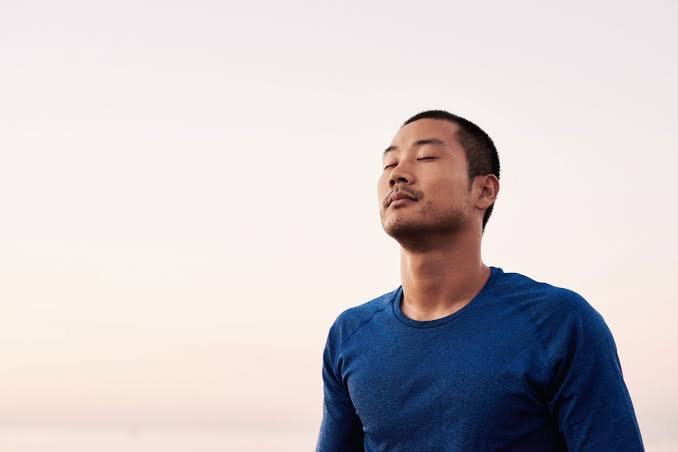
Introduction
When anxiety spikes, your breathing usually gets shallow and fast without you even noticing — and that shallow breathing actually feeds back into the anxious feeling, creating a loop. Learning a few reliable breathing exercises anxiety techniques gives you a genuinely quick, accessible tool that doesn’t require any equipment or a quiet retreat somewhere.
Why Breathing Techniques Actually Work
Quick answer: Slow, controlled breathing activates the parasympathetic nervous system, which counters the fight-or-flight response responsible for anxiety symptoms like a racing heart and tense muscles, helping the body physically calm down.
Box Breathing
Inhale for 4 counts Hold for 4 counts Exhale for 4 counts Hold empty for 4 counts, then repeat This technique is used by everyone from athletes to military personnel for a reason — it’s simple and genuinely effective under pressure.
4-7-8 Breathing
Inhale for 4 counts, hold for 7, and exhale slowly for 8. This one takes a bit more practice to get comfortable with, but it’s particularly good before sleep when anxious thoughts tend to spiral. Quick answer: The 4-7-8 technique — inhaling for 4 counts, holding for 7, exhaling for 8 — extends the exhale longer than the inhale, which signals the nervous system to shift out of stress mode more effectively.
Belly Breathing
Place one hand on your chest and one on your belly. Focus on making the belly hand rise more than the chest hand — this ensures you’re breathing deeply rather than shallowly from the chest.
Alternate Nostril Breathing
A technique borrowed from yogic practice, this involves closing one nostril, inhaling through the other, then switching. It sounds unusual if you haven’t tried it, but many people find it noticeably calming.
When to Use These Techniques
Before a stressful meeting or conversation During a panic or anxiety spike As part of a wind-down routine before sleep Anytime you notice your breathing has become shallow or rapid
Building It Into a Daily Habit
Practicing even 5 minutes daily, not just during anxious moments, trains your nervous system to access this calmer state more easily when you actually need it under stress. [link to related guide about stress-free morning habits here]
FAQ
How quickly do breathing exercises work for anxiety? Many people feel some relief within a few minutes, though the full calming effect builds with regular practice over time. Can breathing exercises replace therapy or medication for anxiety? No, they’re a helpful tool but not a replacement for professional support if anxiety is significantly affecting daily life. Which breathing technique is best for panic attacks specifically? Box breathing or belly breathing tend to be easiest to remember and use in the moment during acute panic. Do I need to sit in a special position to practice these? No, most of these techniques can be done sitting, standing, or even lying down — wherever you happen to be. How often should I practice for lasting benefit? Daily practice, even just 5 minutes, tends to build the strongest long-term benefit compared to only using techniques reactively.
Conclusion
These breathing exercises anxiety techniques are genuinely some of the most accessible tools available — no cost, no equipment, and they work almost anywhere. Try box breathing the next time you feel overwhelmed, and consider building a daily practice so it becomes second nature when you need it most. Suggested alt text: “Person practicing calm breathing exercise with eyes closed”
Confidence looks good on you.
Use this guide as a practical starting point, then adapt every recommendation to your own style, skin, routine and budget.

Admin
The Fashion Vista Hub editorial team creates practical, reader-first guidance across beauty, fashion and personal style.

How to Improve Gut Health Naturally in 2026
Introduction Gut health has become a bit of a buzzword lately, but the science behind it is genuinely solid — your digestive […]

Morning Habits for a Stress-Free Day in 2026
Introduction The first twenty minutes after waking up quietly set the tone for everything that follows, whether we notice it or not. […]