 Admin
Most jewellery collections grow by accident. A piece is bought for a specific occasion. Another arrives as a gift. A third catches the eye at a sale. Over time, a drawer or box accumulates items that rarely come out because nothing quite goes with anything else. The result is a collection with many pieces and limited use.
Building a jewellery collection deliberately, with an eye to how pieces work together across occasions, produces a very different outcome. A smaller, well-considered set of pieces that coordinate across different outfits and settings delivers more daily use and more lasting satisfaction than a large accumulation of one-off purchases. This guide outlines how to think about that process, starting with the three categories that form the backbone of any versatile jewellery wardrobe: earrings, rings, and necklaces.
Earrings: Your Highest-Frequency Jewellery
Earrings are almost always the first thing you put on and the last thing you take off. For most women, they are the piece of jewellery worn most consistently, which makes them disproportionately important to the overall impression your jewellery creates. Getting earring selection right delivers more daily value than almost any other jewellery decision.
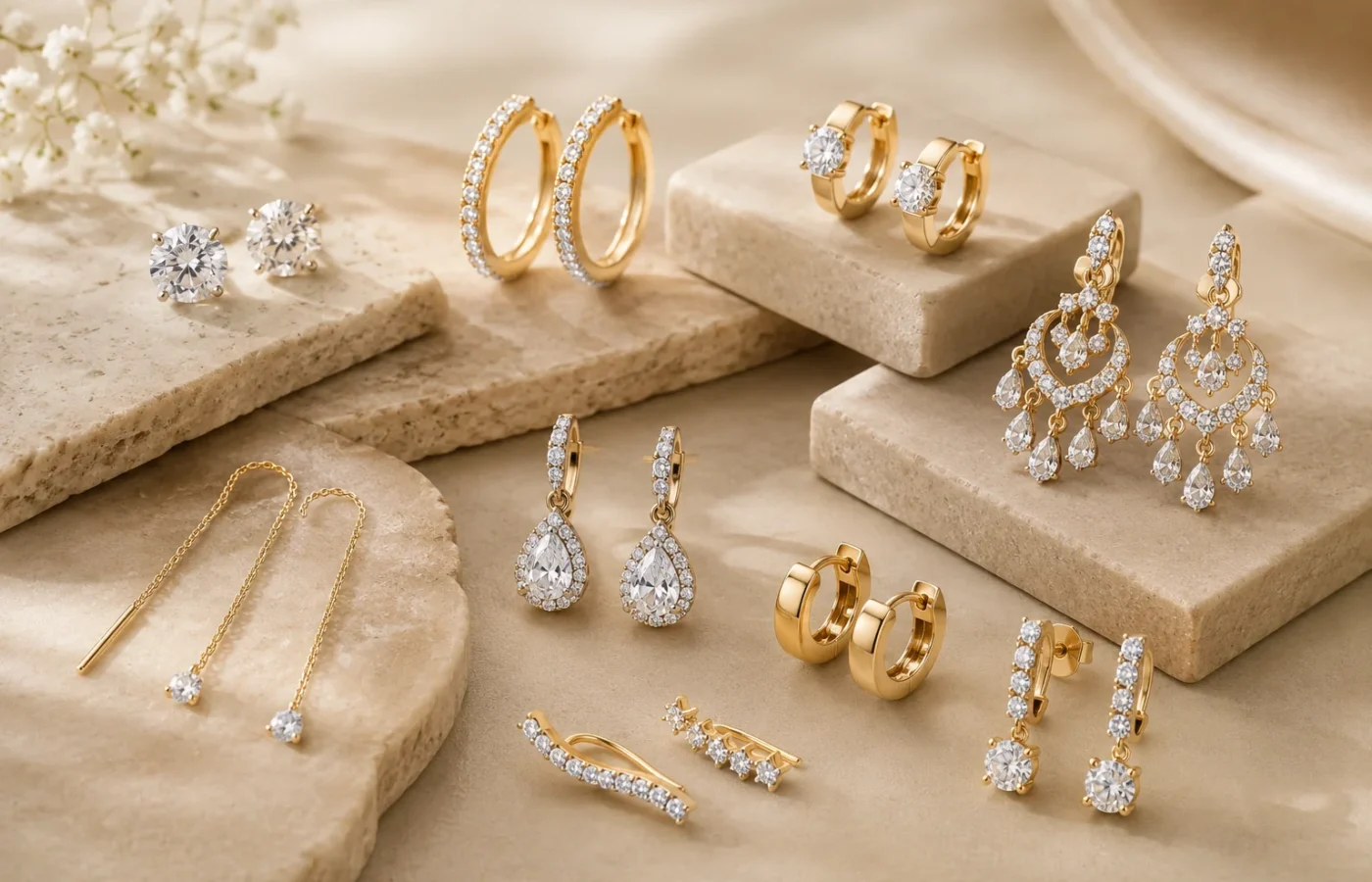
A versatile earring wardrobe needs at least two registers covered: a simple, lightweight pair for daily wear and something more substantial for evenings and occasions. The daily pair should be comfortable enough to forget you are wearing it, secure enough for an active day, and understated enough to complement a wide range of outfits. A small diamond stud, a thin gold hoop, or a delicate drop earring in polished gold all meet this brief.
For occasions, the range is wider. Jhumkas, chandbalis, and long drops all have their advocates. The most useful occasion earring is one that works for the full range of events you attend, from a friend’s mehendi to a formal dinner, rather than one designed for a specific event and then never worn again.
A well-stocked gold earrings collection will show you the range from understated daily-wear pieces to elaborate occasion jhumkas, giving you a clear picture of where the gaps in your existing collection are.
Rings: Personal and Practical
Rings are the most personal piece of jewellery in terms of the meaning they carry. Wedding rings and engagement rings aside, the rings you choose to wear daily reflect your own aesthetic sensibility more directly than any other piece.
For daily-wear rings, simplicity pays. A thin twisted gold band, a small stone in a bezel setting, or a simple polished ring in a classic profile is comfortable to wear, easy to coordinate, and suited to any context from the office to a dinner party. Many women build a small collection of simple gold rings over time, adding one at meaningful moments. The cumulative effect of wearing several simple rings together is more personal and interesting than a single elaborate statement ring.
Stone-Set Rings and When They Work Best
Diamond-set rings add visual interest and a celebratory quality to any look. For rings that will be worn daily, a lower-profile setting is more practical than an elevated prong setting. A bezel or channel-set diamond sits flush with the ring surface, is less likely to catch on clothing, and maintains its security over years of daily wear. For occasion-only rings, elevated settings and more elaborate designs work beautifully because they are not subjected to constant daily wear.
The range of gold rings for women available from established jewellers spans simple daily-wear bands to elaborate diamond-set statement rings, giving you options across both registers.
Necklaces: Anchoring the Look
A necklace, more than any other piece of jewellery, frames your face and determines the overall tone of your look. The right necklace at the right length with the right outfit pulls everything together. The wrong one creates visual noise.
For a versatile necklace wardrobe, the key is covering different lengths and weights. A simple gold chain at 18 inches is the most versatile starting point. It layers under everything, can carry a pendant or wear alone, and is appropriate for virtually any occasion. A medium-weight pendant necklace at a similar length is the natural second piece, adding more visual presence when the occasion calls for it.
For occasions, a shorter choker or a layered piece adds formality and presence. The classic rule that shorter necklaces work better with high necklines and longer chains with low necklines is reliable, but the more important variable is proportion: a necklace should complement the visual weight of your outfit rather than competing with it.
Coordinating Across Categories
Once you have identified the individual pieces you need, the next step is ensuring they work together. Metal consistency is the simplest rule: yellow gold pieces coordinate naturally with other yellow gold pieces, regardless of the karat or the specific design. This means you can mix a 22-karat traditional necklace with an 18-karat diamond ring and have them read as a cohesive look in everyday wear.
Beyond metal, consider scale. A large statement earring with an elaborate necklace creates competition rather than harmony. A simple stud or small hoop earring allows a necklace to be the centrepiece, while a more elaborate earring works best with a minimal or absent necklace. This push and pull between earring and necklace scale is one of the most useful principles in building a coherent jewellery wardrobe.
Starting and Adding Thoughtfully
A versatile jewellery collection does not need to be built all at once. The most rewarding approach is to start with the daily-wear essentials, the simple earrings and rings and a chain you will reach for every day, and add more significant pieces at the moments that call for them. Each addition then carries meaning beyond its aesthetic value.
The collection you build this way will be entirely your own, and far more useful than a collection assembled quickly or without consideration for how the pieces interact. Working with an experienced jewellery team such as the one at Waman Hari Pethe Sons helps you identify the gaps in what you already have and find the pieces most likely to serve you well for years to come.
Confidence looks good on you.
Use this guide as a practical starting point, then adapt every recommendation to your own style, skin, routine and budget.

Admin
The Fashion Vista Hub editorial team creates practical, reader-first guidance across beauty, fashion and personal style.

The Growing Importance of Beauty and Cosmetics Exhibitions in India
Lately, beauty and cosmetics exhibitions have been the trendsetters in the Indian beauty market, driving up product adoption by showing instead of telling. Poised…
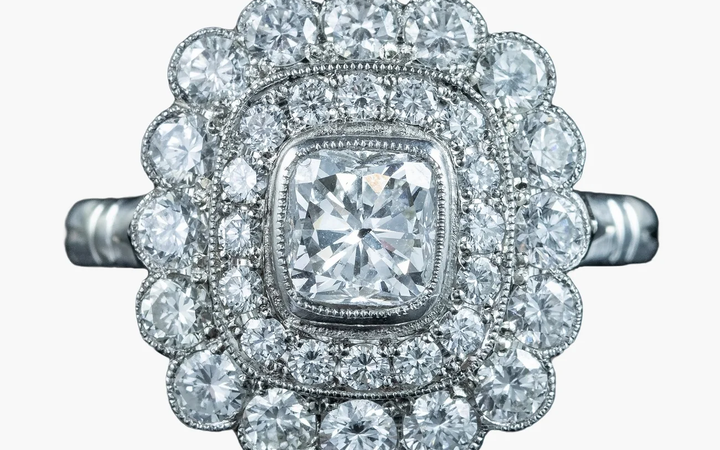
The Enduring Beauty and Character of Antique Diamond Cluster Rings
There is something particularly captivating about a ring that brings several diamonds together in one carefully considered design. Rather than relying on a single…

Simple Outfit Combinations That Always Feel Put Together
We've all had those mornings when the wardrobe is full, but somehow nothing feels right. You try one outfit, change the top, rethink the…