 Admin
Fashion and beauty creators often put most of their energy into publishing on their own websites and social channels. Those spaces matter, but reaching readers elsewhere can introduce your work to people who are already interested in personal style, skincare, makeup, or sustainable living. Guest posting is one way to do that—provided you offer a useful article rather than treating another website as a place to drop a link.
Why Guest Posting Can Help a Fashion or Beauty Site
A well-matched guest article can build awareness with a relevant audience, demonstrate your expertise, and send interested readers to your own site. A practical piece on choosing everyday jewellery, caring for natural fabrics, or adapting a skincare routine to changing weather is more likely to earn attention than a general post about why your brand is great.
It can also help you form relationships with editors and other creators. Those connections may lead to future collaborations, interviews, or shared projects. Results are rarely instant, though. Focus on publishing strong work consistently and building trust, not on expecting one article to transform your traffic overnight.
Choose the Right Websites
Start with websites whose readers overlap with yours. A fashion blog may be a good fit for a piece about building a versatile wardrobe, while a beauty publication might welcome a careful guide to patch testing or understanding ingredient labels. Nature-focused sites could suit an article about lower-waste clothing care or choosing natural materials without overstating their benefits.
Read several recent posts before pitching. Notice the typical article length, tone, level of detail, and topics the site covers. Check whether it publishes outside contributors and whether it accepts finished drafts or ideas first. A publication’s audience and editorial standards are more important than its size alone.
Develop an Idea That Serves Readers
Look for a specific question the publication’s readers may have. “How to dress well” is too broad to guide a useful article. “How to build a work wardrobe around three comfortable shoes” gives you a clear focus and a practical outcome.
- Choose one central reader problem rather than combining several unrelated topics.
- Offer steps, examples, or selection criteria readers can apply.
- Support claims about products, ingredients, or materials with reliable information.
- Avoid presenting personal preference as universal advice.
Before contacting an editor, search the publication’s archive for similar articles. A topic that has already been covered may still work if you bring a genuinely different angle, but don’t simply repackage an existing post.
Pitch Clearly and Respect Editorial Guidelines
A concise pitch should explain your proposed topic, why it fits that publication, and what readers will learn. Include a short outline or a few points you plan to cover, along with a brief description of your relevant experience. If the editor requests samples, share work that demonstrates your ability to write clearly on related subjects.
Keep the email focused. Avoid sending a generic message to dozens of websites or promising guaranteed traffic. If you want a structured overview of the process, this guest posting guide can help you plan each stage, from finding opportunities to preparing a submission.
Once an editor responds, follow the stated requirements closely. Confirm the deadline, word count, image specifications, and any rules about links before drafting. If you need help with research, editing, or visuals, a freelance marketplace such as Osdire offers services across writing, design, photography, and other categories. Be specific about the task and review the freelancer’s past work before agreeing on a brief.
Write for the Host Site First
Use a clear structure with descriptive subheadings and a useful introduction. Explain unfamiliar terms, keep paragraphs easy to scan, and give advice that is specific enough to act on. For example, a guide to caring for delicate fabrics should distinguish between materials and explain how to check garment labels rather than suggesting one washing method for everything.
Follow the publication’s policy on links. If a link to your site is allowed, it should lead to a relevant resource that adds context, such as a detailed fabric-care chart or an in-depth routine guide. Don’t force an unrelated link into the article. Editors may remove it, and readers are less likely to trust content that feels built around promotion.
Review, Publish, and Learn From the Results
Proofread the finished article for accuracy, spelling, and consistency. Check that any product names or factual claims are correct, and make sure images are properly licensed if you supply them. Respond promptly to reasonable editorial requests, but avoid changing approved copy without permission after publication.
After the article goes live, share it with your own audience and thank the editor. Track useful signs of progress, such as referral visits, newsletter sign-ups, thoughtful comments, or invitations to contribute again. These measures can reveal whether you reached the right readers even when a post does not generate a large traffic spike.
Common Mistakes to Avoid
- Pitching a topic that has little connection to the publication’s audience.
- Writing a thin article that offers broad claims but few practical details.
- Using excessive self-promotion or requesting multiple unrelated links.
- Ignoring submission instructions or sending an unfinished draft.
- Judging success only by immediate clicks instead of audience fit and lasting relationships.
Conclusion
Guest posting works best as an editorial collaboration: the host site receives a thoughtful article, and you earn the chance to be discovered by readers who care about your subject. Choose publications carefully, pitch a focused idea, and make the finished piece genuinely useful. With a consistent approach, guest contributions can become a meaningful part of growing a fashion, beauty, or nature-focused website.
Confidence looks good on you.
Use this guide as a practical starting point, then adapt every recommendation to your own style, skin, routine and budget.

Admin
The Fashion Vista Hub editorial team creates practical, reader-first guidance across beauty, fashion and personal style.
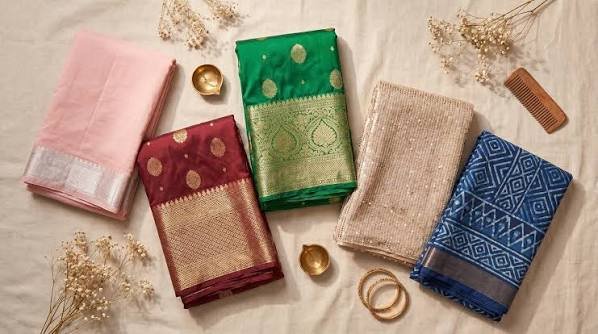
How to Build a Practical Saree Wardrobe for Every Workday
A saree can be one of the most practical outfits in a woman’s wardrobe when the right fabric, blouse and styling are […]